2026 NHCA Fall Virtual Educational Summit
Speakers & Session Details
Explore the educational sessions featured during the 2026 NHCA Fall Virtual Educational Summit. Each session includes a description, presenter biography, learning objectives, and disclosures.
LIVE SESSIONS
Creating a Global Echo: Bridging the Gap in Global Hearing Conservation
1:05–2:05 PM ET
Speaker: Clare Forshaw, MSc Occupational Hygiene MSc Health ergonomics
Organization: UK Hearing Conservation Association
Job Title: Founder and Director
Speaker: Chris Steel, MIOA
Organization: Health and Safety
Job Title: Principal Specialist Inspector
Explore international approaches to hearing conservation, current global initiatives, and opportunities for advancing hearing loss prevention across industries.
- Learning Objective 1: Delegates will know about the priorities for hearing conservation in the UK and be able to compare with priorities and initiatives with internationally
- Learning Objective 2: Delegates will be able to identify opportunities to better collaborate across initiatives internationally
- Learning Objective 3: Delegates will understand how not for profit and research organisations can work with regulators to drive change
Clare is the Professional Head of Health & Wellbeing at the Rail Safety and Standards Board. She has been actively involved in progressing the knowledge base and promoting best practice in noise control, health surveillance and improving the profile of noise risk for most of her career. Clare has been a driving force behind establishing the UK Hearing Conservation Association which was launched in March 2019 and aims to prevent damage to people’s hearing health and other noise related health conditions; through practical, evidenced and cost-effective communications and solutions. She is also the Chair of the Society of Occupational Medicine’s Noise Special Interest Group.
Chris has worked in acoustics since 1997 and has been involved in acoustic product design, acoustic education and acoustic consultancy. Since 2015 Chris has worked as a specialist inspector of workplace noise and vibration for the Health & Safety Executive; Britain's health and safety regulator.
Financial Disclosures
Clare Forshaw
Financial Relationships: None
Non-Financial Relationships: None
Chris Steel
Financial Relationships: UK Government Employee
Non-Financial Relationships: None
Raising the PAR: Global Regulatory Momentum in Hearing Protector Fit Testing
Speaker: Laurie Wells, AuD
Organization: 3m Personal Safety Division
Job Title: Division Scientist
Speaker: Cameron Fackler, PhD
Hearing protector fit testing (HPFT), first conceptualized in the 1970s, has emerged as a best practice in occupational hearing loss prevention. Factors such as an increased availability of fit-test methods and systems, heightened attention on the importance of personal protective equipment fit, and the awareness of needing appropriate attenuation, rather than the highest single number attenuation value, have contributed to the adoption of HPFT. Scientific research has revealed multiple benefits of HPFT and new educational textbook chapters, resources, and courses have been created. In parallel, the HPFT regulatory landscape has expanded, extending rapidly around the world. The purpose of this presentation is to review the milestones in the development of HPFT. This includes best practices documents, standards, and regulatory requirements. Specific focus is given to existing North American standards that describe the personal attenuation rating (PAR) and set performance criteria for HPFT systems, provide implementation considerations and guidance, and allow the PAR to be used in the selection of hearing protection devices. Future directions of standards and/or standard revisions are considered toward advancing HPFT as an integral component of occupational hearing loss prevention programs.
- Learning Objective 1: Identify which decade has experienced rapid growth in the number of standards that include hearing protector fit testing as a recommended practice.
- Learning Objective 2: Describe one standard that specifies performance criteria for hearing protector fit-test systems.
- Learning Objective 3: Name two organizations that have supported hearing protector fit testing as a best practice in hearing loss prevention programs.
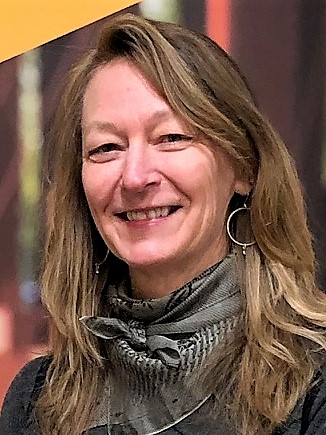 Laurie Wells, Au.D., is a board-certified audiologist and Division Scientist, Application Engineering and Regulatory Affairs Specialist with 3M Personal Safety Division, where she works with hearing protection and hearing loss prevention standards and regulatory issues globally. Dr. Wells has served in key leadership positions for professional organizations including the Council for Accreditation in Occupational Hearing Conservation (CAOHC) and the National Hearing Conservation Association. She is still actively engaged in promoting hearing health through organizational and standards work. Laurie Wells, Au.D., is a board-certified audiologist and Division Scientist, Application Engineering and Regulatory Affairs Specialist with 3M Personal Safety Division, where she works with hearing protection and hearing loss prevention standards and regulatory issues globally. Dr. Wells has served in key leadership positions for professional organizations including the Council for Accreditation in Occupational Hearing Conservation (CAOHC) and the National Hearing Conservation Association. She is still actively engaged in promoting hearing health through organizational and standards work.
Financial Disclosures
Laurie Wells
Financial Relationships: 3M Personal Safety Division (Employee)
Non-Financial Relationships: Leadership roles with NHCA and CAOHC
Cameron Fackler
Financial Relationships: 3M Personal Safety Division
Non-Financial Relationships: None
Ethical Considerations When Evaluating Recordable/Reportable Hearing Loss for Work Relatedness
Speaker: Cassie Ford, MA, CCC-A, CPS/A
Organization: Examinetics
Job Title: Manager of Occupational Audiology
Speaker: Michael Hodgson, MD, MPH
This session will discuss the principals of ethics and examples of when they would arise in the occupational health environment, particularly in relation to determining whether a recordable/reportable hearing loss is considered work related. Sample scenarios will be provided and discussed from perspective of both an occupational medicine physician and an occupational audiologist.
- Learning Objective 1: Students will be able to identify the four principals of ethics.
- Learning Objective 2: Students will be able to provide examples of those ethical principals in the occupational hearing conservation space.
- Learning Objective 3: Students will be able to discuss the differences in how an occupational physician and an occupational audiologist would apply these principles in the process of making determinations of work relatedness in a hearing conservation program.
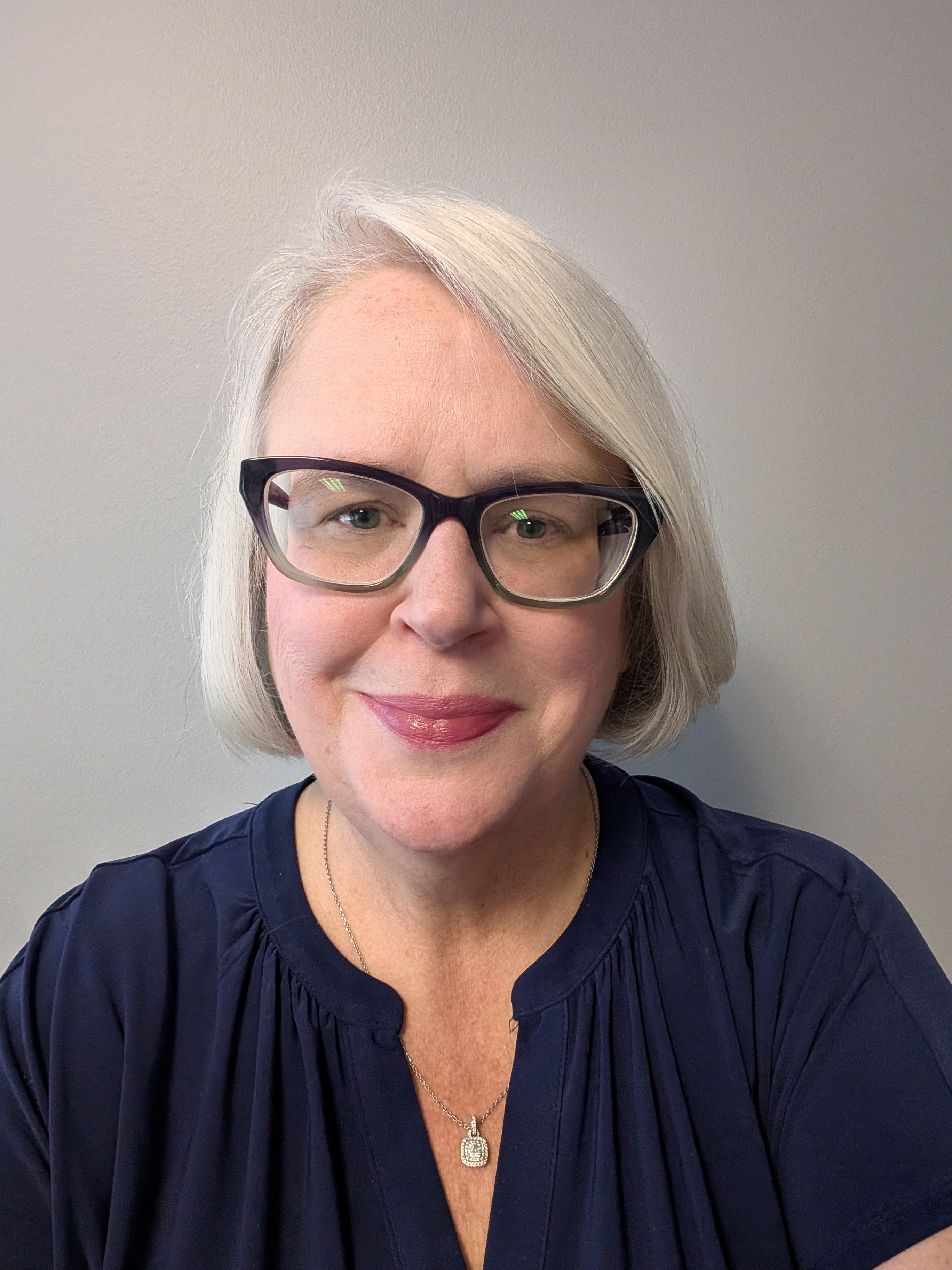 Cassie Ford, M.A., CCC-A, CPS/A is an occupational audiologist who received her B.S. in Speech-Language Pathology at Texas Christian University and her M.A. in Audiology at the University of Iowa. Cassie has been a practicing audiologist for over 30 years and has worked exclusively in hearing conservation for the last twenty plus years. Cassie is a CAOHC certified course director and professional supervisor. As the manager of audiology services at Examinetics, Cassie leads a team of occupational audiologists who guide a diverse group of clients through their hearing conservation programs and regulatory compliance. Cassie has been a primary subject matter expert in the development of Examinetics' proprietary audiometric database management and online reporting tools, and holds a patent on the Salux™ portable testing and training system. She was also part of the team that developed the Examinetics processes for making determinations of work relatedness for clients. Additionally, Cassie has specific expertise in railroad industry compliance, where she has had the opportunity to work closely with various health and safety teams including occupational medicine physicians, occupational audiologists, industrial hygienists, and other safety professionals. Cassie Ford, M.A., CCC-A, CPS/A is an occupational audiologist who received her B.S. in Speech-Language Pathology at Texas Christian University and her M.A. in Audiology at the University of Iowa. Cassie has been a practicing audiologist for over 30 years and has worked exclusively in hearing conservation for the last twenty plus years. Cassie is a CAOHC certified course director and professional supervisor. As the manager of audiology services at Examinetics, Cassie leads a team of occupational audiologists who guide a diverse group of clients through their hearing conservation programs and regulatory compliance. Cassie has been a primary subject matter expert in the development of Examinetics' proprietary audiometric database management and online reporting tools, and holds a patent on the Salux™ portable testing and training system. She was also part of the team that developed the Examinetics processes for making determinations of work relatedness for clients. Additionally, Cassie has specific expertise in railroad industry compliance, where she has had the opportunity to work closely with various health and safety teams including occupational medicine physicians, occupational audiologists, industrial hygienists, and other safety professionals.
Financial Disclosures
Cassie Ford
Financial Relationships: Examinetics (Employee)
Non-Financial Relationships: None
Michael Hodgson
Financial Relationships:
Non-Financial Relationships:
...
Prevalence of Ototoxic Chemical Exposure, Noise Exposure and Hearing Difficulty Among Workers in the United States
Speaker: Elizabeth Masterson, PhD, CPH, COHC
Organization: NIOSH
Job Title: Research Epidemiologist
Background: The purpose of this study was to estimate the prevalence of hearing difficulty and workplace exposures to ototoxic chemicals and noise within U.S. industries and occupations.
Methods: National Health Interview Survey data from 2023 were examined, including 17,726 workers. Weighted prevalence and adjusted prevalence ratios of self-reported hearing difficulty and self-reported workplace exposures to ototoxic chemicals, noise and a combination of these exposures were estimated by industry, occupation and demographic. Workplace exposure to secondhand smoke was examined combined with other ototoxic chemicals, but also separately.
Results: Eleven percent of workers reported hearing difficulty. Within the past year, 13% were exposed to ototoxic chemicals and 5% were exposed to secondhand smoke. Twenty-eight percent of workers had a history of occupational noise exposure, with 16% exposed within the past year. Seven percent were exposed to both noise and ototoxic chemicals.
Conclusions: Hearing hazards in the workplace are common. This study was the first to report the prevalence of ototoxic chemical exposure among U.S. workers. This exposure cannot be overlooked when protecting worker hearing. Both noise and ototoxic chemical exposures can be reduced using the hierarchy of controls. Workers with both exposures should receive special attention in hearing conservation programs.
- Learning Objective 1: The learner will be able to recognize the presence of ototoxic chemical exposure within the workplace and how it may interact with noise.
- Learning Objective 2: The learner will be able to identify industries and occupations with the highest prevalences of noise and ototoxic chemical exposures.
- Learning Objective 3: The learner will be able to discuss and apply strategies for reducing ototoxic chemical exposure within the workplace.
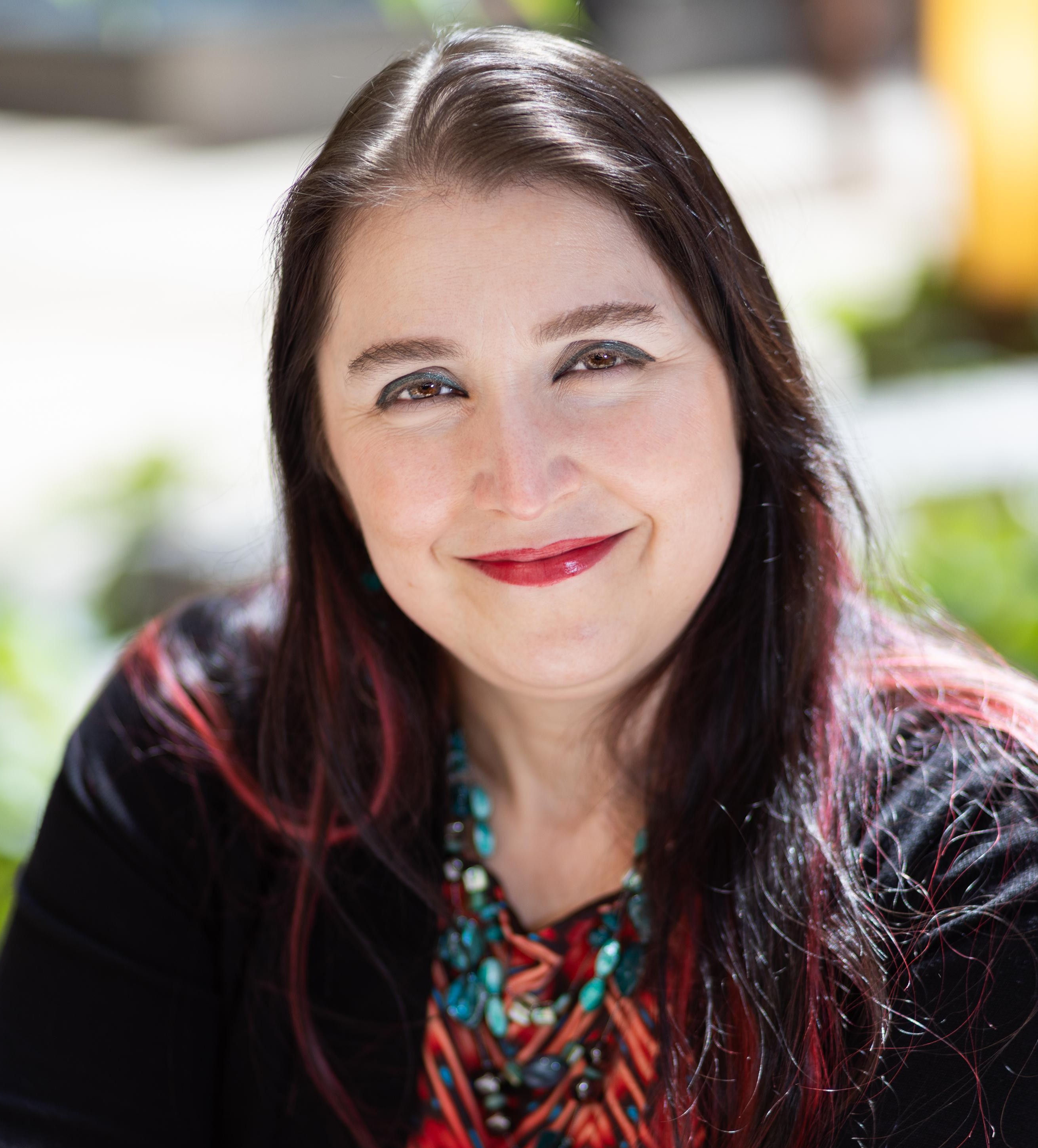 Elizabeth (Liz) Masterson is a Research Epidemiologist in the Health Informatics Branch of the Division of Field Studies and Engineering at the National Institute for Occupational Safety and Health (NIOSH), Cincinnati, Ohio. She is the Project Officer for the NIOSH Occupational Hearing Loss Surveillance Program and serves as Co-Coordinator for the NIOSH Hearing Loss Prevention Cross-sector Research Program. She is a Past President of NHCA and Co-Chairs the National Occupational Research Agenda Hearing Loss Prevention Cross-sector Council. Liz has a PhD in Environmental Health/Epidemiology from the University of Cincinnati and is certified in Public Health and Occupational Hearing Conservation. Elizabeth (Liz) Masterson is a Research Epidemiologist in the Health Informatics Branch of the Division of Field Studies and Engineering at the National Institute for Occupational Safety and Health (NIOSH), Cincinnati, Ohio. She is the Project Officer for the NIOSH Occupational Hearing Loss Surveillance Program and serves as Co-Coordinator for the NIOSH Hearing Loss Prevention Cross-sector Research Program. She is a Past President of NHCA and Co-Chairs the National Occupational Research Agenda Hearing Loss Prevention Cross-sector Council. Liz has a PhD in Environmental Health/Epidemiology from the University of Cincinnati and is certified in Public Health and Occupational Hearing Conservation.
Financial Disclosures
Financial Relationships: None
Non-Financial Relationships: None
...
Setting the Global Stage: Updates in Hearing Loss Prevention for Live Music Settings
Speaker: Frank Wartinger, AuD
Organization: Earmark Hearing Conservation, Philadelphia Music Audiology
Job Title: Audiologist / Owner
Speaker: Laura Sinnott, AuD
Organization:
Job Title:
Speaker: Jos Mulder, PhD
Organization: The National University Australia
Job Title: Senior Lecturer in Music Technology
Historically, the music industry has operated outside the traditional occupational hearing conservation framework, leaving clinicians with few standardized guidelines and musicians with limited access to training and mitigation options. The culture of safety regarding hearing loss prevention varies widely between venues, cities, and countries, which may contribute to the high incidence of music-induced hearing disorders (MIHD) among musicians and frequent concert-goers.
This 60-minute panel discussion, featuring Jos Mulder, PhD, and Laura Sinnott, AuD, and moderated by Frank Wartinger, AuD, will focus on the inflection point between awareness and intervention. The session will examine the historical context for the current state of the music industry, the current regulatory landscape, and global initiatives to reverse this trend of uninformed risk-taking.
We will review practical solutions, including industry-driven education like the international Healthy Ears Limited Annoyance (HELA) certification and support programs such as the US-based Recording Academy's MusiCares. Additionally, we will discuss resources for hearing healthcare providers who seek the framework necessary to provide music-focused hearing loss prevention care.
- Learning Objective 1: Evaluate current data trends regarding the incidence of music-induced hearing disorders (MIHD) and the barriers to care-seeking among professional musicians and concert-goers.
- Learning Objective 2: Compare the implementation strategies of industry-driven education initiatives, such as the Healthy Ears Limited Annoyance (HELA) certification, to traditional hearing conservation methods.
- Learning Objective 3: Analyze the historical and regulatory factors that differentiate the music industry from traditional occupational hearing conservation frameworks.
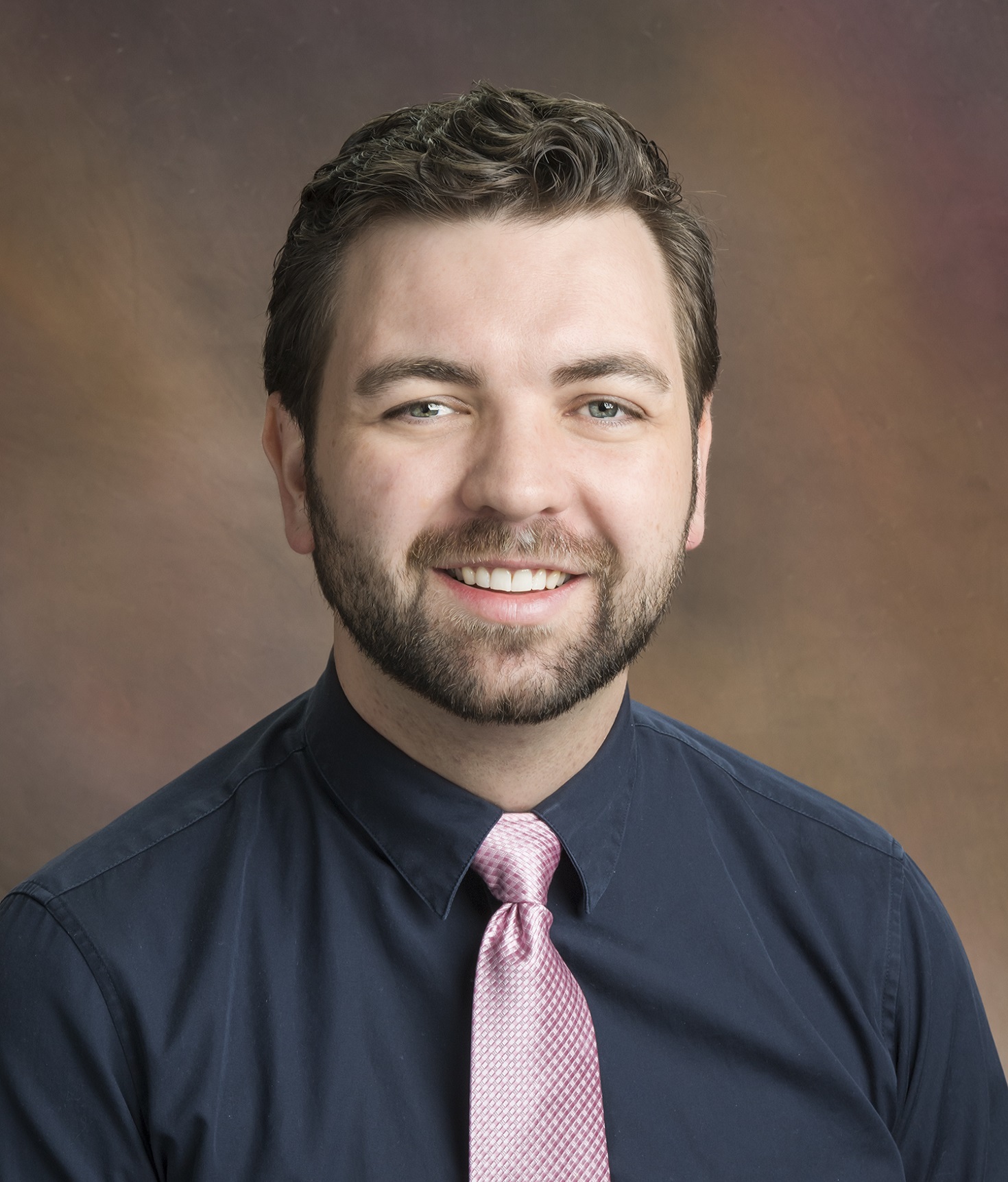 Frank Wartinger, Au.D. is the founder of Earmark Hearing Conservation and Philadelphia Music Audiology. He serves on the CAOHC (Council for Accreditation in Occupational Hearing Conservation) Council representing the American Academy of Audiology. As adjunct faculty at Drexel University and Wayne State University, he teaches hearing conservation and music audiology. He is an active CAOHC course director and serves as a professional supervisor in occupational hearing conservation programs. He is active on the executive committee of National Hearing Conservation Association (NHCA) serving as Director of Communications (2017 - 2019), Member At Large (2024 - 2026), and currently as the Director of Membership (2026 - 2028). His clinical focus is on the audiologic care of musicians and performing arts professionals. As a member of the AAA Music Audiology Task Force, he was coauthor of the first clinical consensus document addressing the audiological services for musicians and music industry professionals (2020). Prior to obtaining his graduate degree in Audiology from Salus University, Frank studied at Purchase Conservatory of Music in the Studio Production program and earned his Bachelor of Music degree. He is an active composer, producer, mixing engineer, and multi-instrumentalist, and is the creator and co-host of the music audiology podcast "Talking Ears".
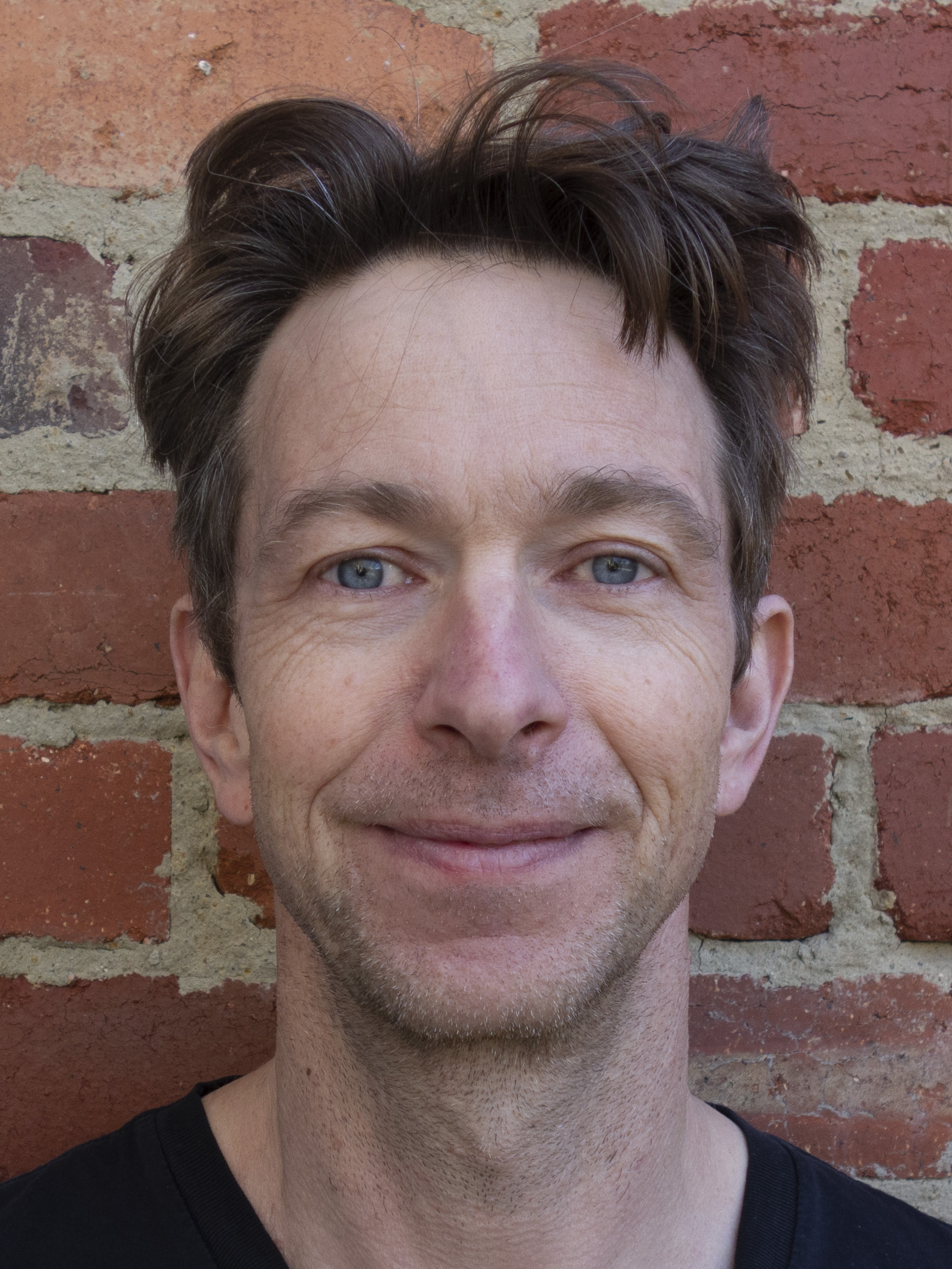 Jos Mulder is a passionate music technologist, researcher and educator. Music is at the heart of my broad education and professional experience. Initially trained as a Tonmeister he specialises in Live Sound, working internationally with top performers from different traditions, with a focus on contemporary electroacoustic music. In addition to his music and technology skills he has developed an interest in the wider organisational, socio-cultural and historical aspects of the use of electronic amplification in the performance arts. A Masters degree in Arts Policy and Management (2008) and a PhD (2013) explored bridging the gap between technology, its creative use and broader discussions of the performance arts and society.
Financial Disclosures
Frank Wartinger
Financial Relationships: None
Non-Financial Relationships: None
Laura Sinnott
Financial Relationships:
Non-Financial Relationships:
Jos Mulder
Financial Relationships: None
Non-Financial Relationships: None
...
ON-DEMAND SESSIONS
Exploring a Career in Hearing Conservation
Speaker: Sarah Mouser, AuD
Organization: Occupational Sound Solutions, LLC
Job Title: Dr. of Audiology/Owner
Hearing conservation offers diverse career opportunities that extend beyond traditional clinical practice and support the prevention of occupational hearing loss across a wide range of industries. This presentation will provide practical guidance for students, early-career professionals, and experienced practitioners seeking to enter or advance in the field of hearing conservation, including career pathways, essential skills, professional development strategies, and considerations for those interested in consulting or business ownership. Through real-world examples and lessons learned, attendees will gain actionable insights to help navigate and build a successful career in hearing conservation.
- Learning Objective 1: Identify common career paths and job opportunities within the field of hearing conservation.
- Learning Objective 2: Describe the skills, certifications, and experiences that can support career growth in hearing conservation.
- Learning Objective 3: Summarize key considerations for starting a hearing conservation consulting practice or business.
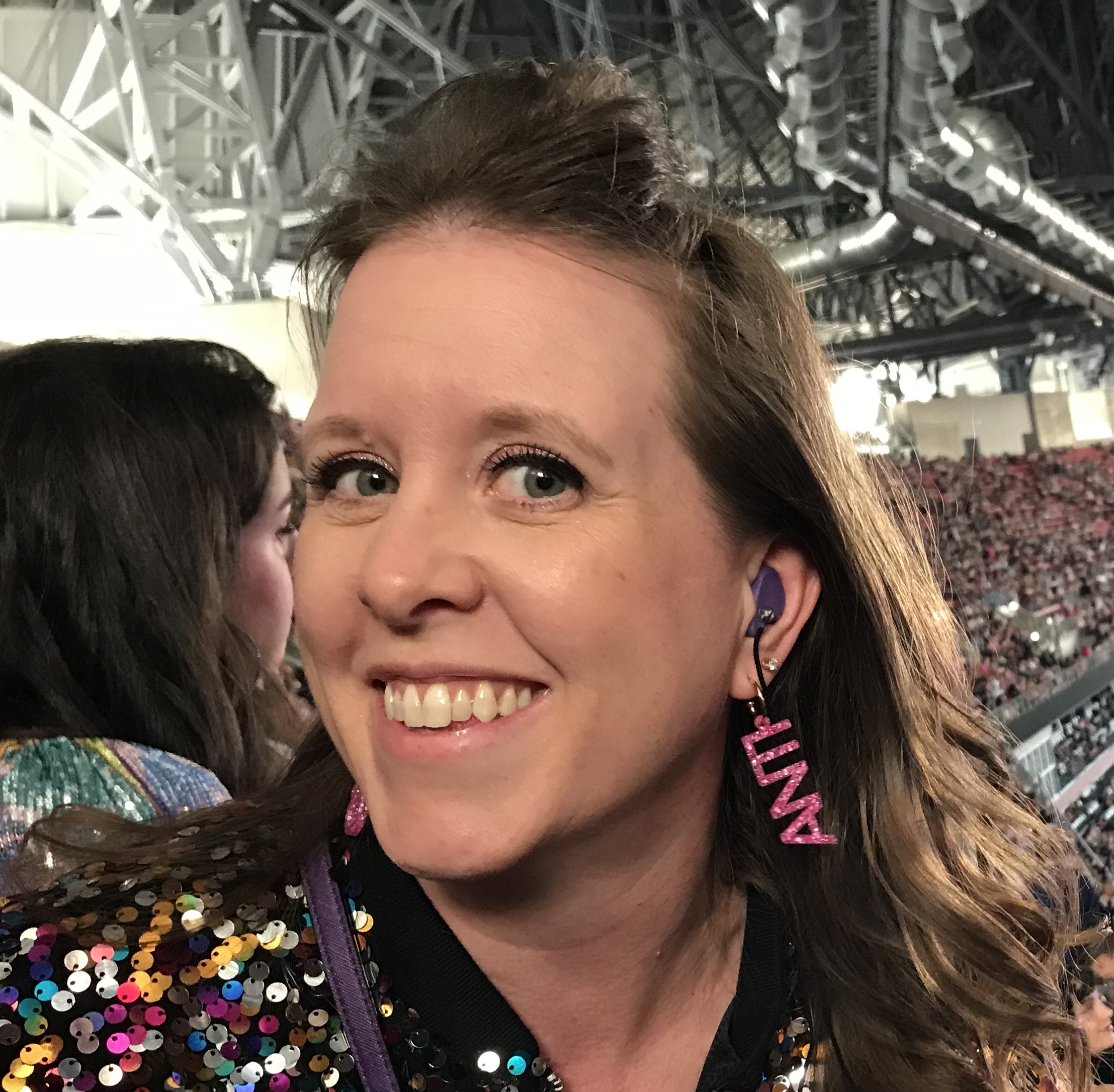 Dr. Sarah E. Mouser, Au.D., CCC-A, CPS/A, is the Founder and CEO of Occupational Sound Solutions, LLC, an occupational audiology and hearing conservation company specializing in professional review services, program management, and technology solutions for employers nationwide. Dr. Mouser works with organizations across a range of industries to develop and enhance hearing conservation programs that support regulatory compliance and prevent occupational hearing loss. Dr. Mouser is also the creator of OccuSound Nexus and OccuSound Insight, cloud-based platforms designed to streamline audiometric data management and professional review workflows. As both a clinician and entrepreneur, Dr. Mouser is passionate about advancing hearing loss prevention, leveraging technology to improve occupational health outcomes, and mentoring the next generation of hearing conservation professionals. Dr. Sarah E. Mouser, Au.D., CCC-A, CPS/A, is the Founder and CEO of Occupational Sound Solutions, LLC, an occupational audiology and hearing conservation company specializing in professional review services, program management, and technology solutions for employers nationwide. Dr. Mouser works with organizations across a range of industries to develop and enhance hearing conservation programs that support regulatory compliance and prevent occupational hearing loss. Dr. Mouser is also the creator of OccuSound Nexus and OccuSound Insight, cloud-based platforms designed to streamline audiometric data management and professional review workflows. As both a clinician and entrepreneur, Dr. Mouser is passionate about advancing hearing loss prevention, leveraging technology to improve occupational health outcomes, and mentoring the next generation of hearing conservation professionals.
Financial Disclosures
Financial Relationships: None
Non-Financial Relationships: None
The Present State and Future Direction of Hearing Protector Standardization in Europe
Speaker: Mark Telsnig, MSc
Organization: AUVA
Job Title: Tester for hearing protectors
- AUVA statistic on noise induced HL
- Bringing a hearing protector on the market (legal framework, testing - certification - production control)
- European standards (test methods, requirements)
- Current standardization projects (example: ANR earplugs)
- Learning Objective 1: find the relevant standards on hearing protectors in Europe.
- Learning Objective 2: describe the process of bringing a hearing protector on the European market.
- Learning Objective 3: identify the different features, that hearing protectors provide be fulfilled requeiremnt standard.
 Mark Telsnig
2008 finished with MSc. in Audioengineer
2009 started working (noise and room acsoustic measurements and testing hearing protecting devices) at AUVA workers compensation board in Austria
Financial Disclosures
Financial Relationships: None
Non-Financial Relationships: None
Can people learn to estimate sound levels?
Speaker: David Welch, PhD
Organization: University of Auckland
Job Title: Associate Professor
Noise-induced hearing loss occurs as a result of exposure to high-level sound, however it can be difficult for people who are at risk to know whether their sound exposure is dangerous. If people could estimate sound levels in decibels, they could better judge whether the noise exposure is dangerous, and so training in how to do this could be incorporated into hearing-loss prevention programmes. Twenty-one participants underwent training in the laboratory, using four different sounds (pink noise, a power drill, a coffee machine, and instrumental rock music) presented at levels from 70-88 dBApeak. The training was conducted over three sessions with 120 free-field sound presentations at random per session. Feedback on the correct level in dBApeak was provided after each trial. Before and after training, participants’ judgements were tested with four untrained stimuli (Brown noise, a hairdryer, a jackhammer, and guitar pop music) to see whether the training would generalise. Finally, participants estimated sound levels in the real world while wearing dosimeters. Participants’ mean estimates before training were 14 dB from the measured sound level. After training, mean estimates were only 2 dB from the measured sound level for trained stimuli and 3 dB for untrained stimuli. The mean estimates in the real world were accurate within 5 dB. People can learn to estimate sound levels with acceptable accuracy in the laboratory. Although their accuracy is poorer in the real world, sound-level estimation training could be a feasible component of interventions to prevent noise-induced hearing loss.
- Learning Objective 1: Know that absolute judgement of sound levels is regarded as very difficult.
- Learning Objective 2: Understand our research to train people to do this.
- Learning Objective 3: Learn that participants were able to learn to estimate sound levels with reasonable accuracy.
David originally studied psychology and physiology, and has since developed expertise in longitudinal research, epidemiology, health promotion, and population health. His current research interests in hearing are around the influences of sound, hearing, and hearing loss on people. He is involved in research and service provision in adults with cochlear implants, has interests in hearing screening, and is involved in research about environmental noise and the soundscape. He is based in the Audiology Section of the School of Population Health at the university of Auckland, New Zealand, where he is currently involved in teaching of the Master of Audiology programme, mainly in areas related to physiology, neurophysiology, psychology of hearing, hearing screening, and community interventions. Much of his research and interests revolve around noise: the prevention of noise-induced hearing loss (especially the Dangerous Decibels programme), research and community action in the area of environmental noise and its reduction; and understanding how noise is conceptualised.
Financial Disclosures
Financial Relationships: None
Non-Financial Relationships: None
Supporting Workers with Hearing Loss in High-Noise Environments
Speaker: Rachel van Besouw, PhD
Organization: Health and Safety Executive
Job Title: HM Specialist Inspector of Health and Safety (Noise and Vibration)
The aim of this webinar is to explain the particular challenges for workers with hearing loss and tinnitus in high-noise environments, how reasonable adjustments and control measures can mitigate health and safety risks specific to these workers, and how to select and use hearing protection without introducing safety risks.
- Learning Objective 1: Recognise the health and safety impacts of hearing loss and tinnitus on the worker
- Learning Objective 2: Identify risks and control measures to support workers with hearing loss and tinnitus
- Learning Objective 3: Assist workers with hearing loss in selecting and using hearing protection
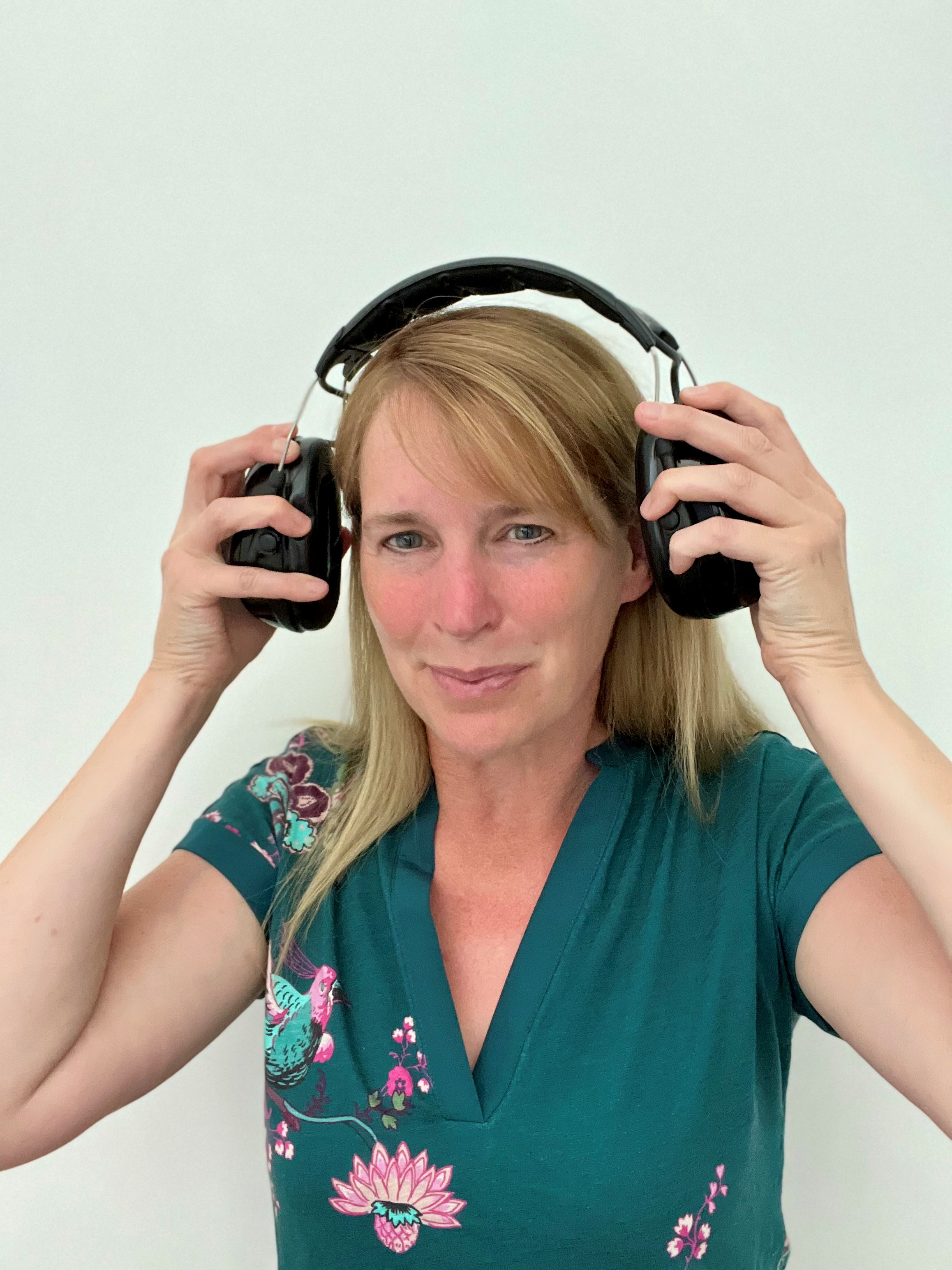 Dr Rachel van Besouw is one of His Majesty's Specialist Inspectors at the UK Health and Safety Executive (HSE). She carries out inspections, investigations and expert witness work relating to occupational noise and vibration exposure to secure compliance with UK health and safety legislation. Rachel is a Visiting Fellow at the University of Southampton Institute of Sound and Vibration Research, Chair of the British Standards Institution Technical Committee responsible for hearing protection, and contributes as an expert to standards committees in Europe and the US. Dr Rachel van Besouw is one of His Majesty's Specialist Inspectors at the UK Health and Safety Executive (HSE). She carries out inspections, investigations and expert witness work relating to occupational noise and vibration exposure to secure compliance with UK health and safety legislation. Rachel is a Visiting Fellow at the University of Southampton Institute of Sound and Vibration Research, Chair of the British Standards Institution Technical Committee responsible for hearing protection, and contributes as an expert to standards committees in Europe and the US.
Financial Disclosures
Financial Relationships: None
Non-Financial Relationships: None
...
Health Literacy
Speaker: Caton Harris, AuD, PhD
Organization: Navy
Job Title: Occupational Audiologist/Researcher
A 30 minute lecture describing and defining health literacy. The lecture will introduce tools that can be used to assess health literacy. The lecture will also discuss a recent health literacy study that was conducted at an Air Base.
- Learning Objective 1: Following participation in this session, the learner will be able to explain and define health literacy.
- Learning Objective 2: Following participation in this session, the learner will be able to demonstrate knowledge and provide reasoning for using the BRIEF health literacy screening tool.
- Learning Objective 3: Following participation in this session, the learner will be able to formulate reasons why health literacy was not found to be a predictor of hearing loss and tinnitus.
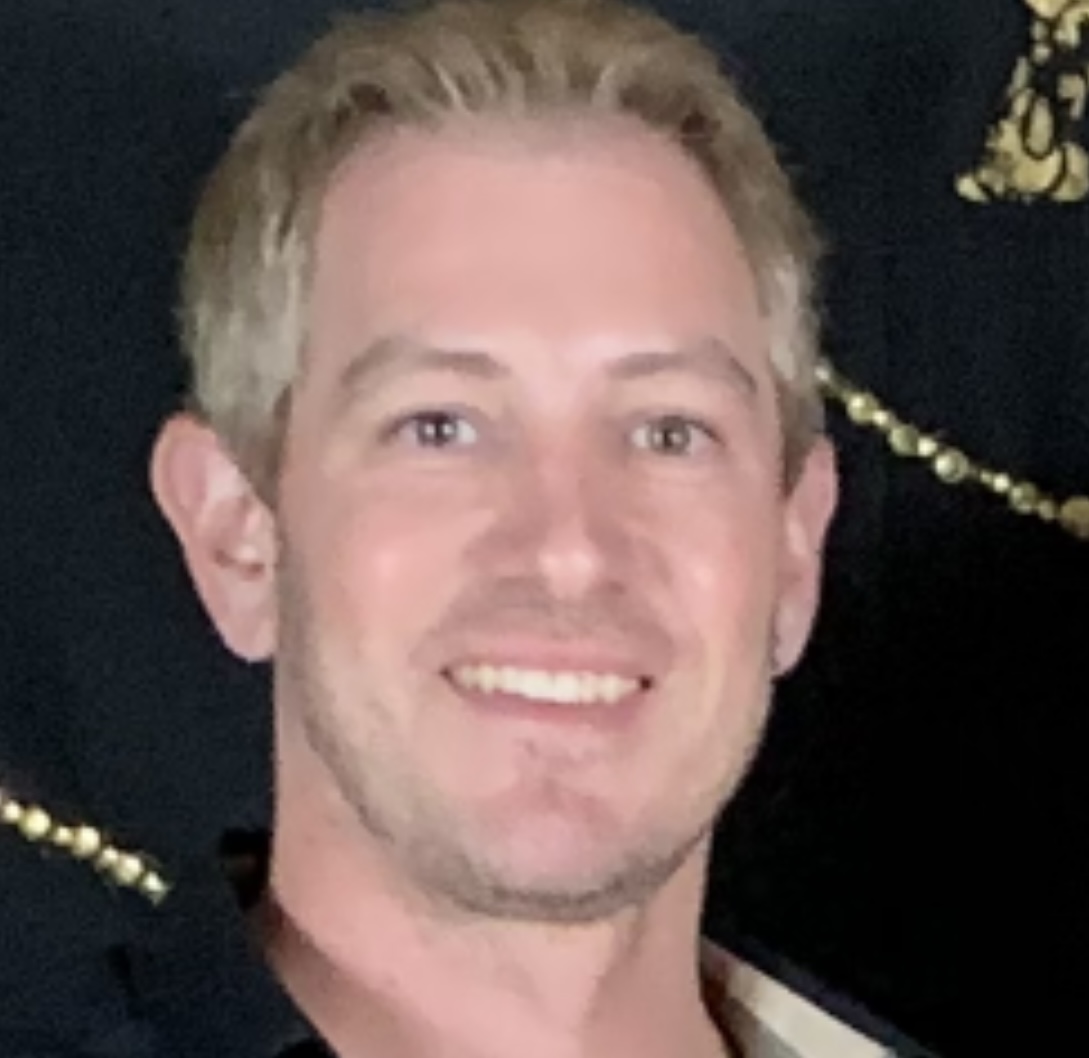 Caton A Harris, AuD, PhD, is an occupational audiologist and hearing conservation program manager for the MCAS Miramar in San Diego, California. Dr. Harris received his bachelor's degree from the University of Hawaii, his doctorate in audiology from the University of California San Diego, and his PhD from St. John's University. He currently divides his time between supervising, seeing patients, hearing conservation, and research projects. Caton A Harris, AuD, PhD, is an occupational audiologist and hearing conservation program manager for the MCAS Miramar in San Diego, California. Dr. Harris received his bachelor's degree from the University of Hawaii, his doctorate in audiology from the University of California San Diego, and his PhD from St. John's University. He currently divides his time between supervising, seeing patients, hearing conservation, and research projects.
Financial Disclosures
Financial Relationships: None
Non-Financial Relationships: None
...
Innovations in 3D Printing Hearing Protection and Fit Testing
Speaker: Andrew Hayes, AuD
Organization: Human Systems Engineering Department, Naval Air Warfare Center Aircraft Division, Naval Air Systems Command
Job Title: Branch Head, Helmet Systems & Auditory Performance
(and Kyle Shepard if presenting jointly)
This session highlights the Auditory Performance Lab's end-to-end workflow to modernize hearing conservation for high-risk military aviation environments. By transitioning from traditional, silicone physical ear impressions to 3D digital ear scanning, the lab has streamlined the manufacturing of custom hearing protection devices (HPDs) for aircraft maintainers and aircrew. Crucially, the session highlights the integration of quantitative Hearing Protection Fit Testing (HPFT) during user orientation to ensure real-world effectiveness and build user compliance.
- Learning Objective 1: Map the Digital Workflow - Participants will be able to outline the complete end-to-end digital pipeline for custom hearing protection, from utilizing the eFit scanner for .stl file capture through the manufacturing constraints unique to aviation maintainers and aircrew.
- Learning Objective 2: Integrate Quantitative Fit Testing - Participants will be able to justify and integrate quantitative Hearing Protection Fit Testing (HPFT) into a custom earmold delivery protocol to objectively verify a user's Personal Attenuation Rating (PAR).
- Learning Objective 3: Enhance User Compliance Through Orientation - Participants will be able to apply fit-testing data as an educational and counseling tool during user orientation to demonstrate proper insertion techniques and increase HPD compliance among high-risk personnel.
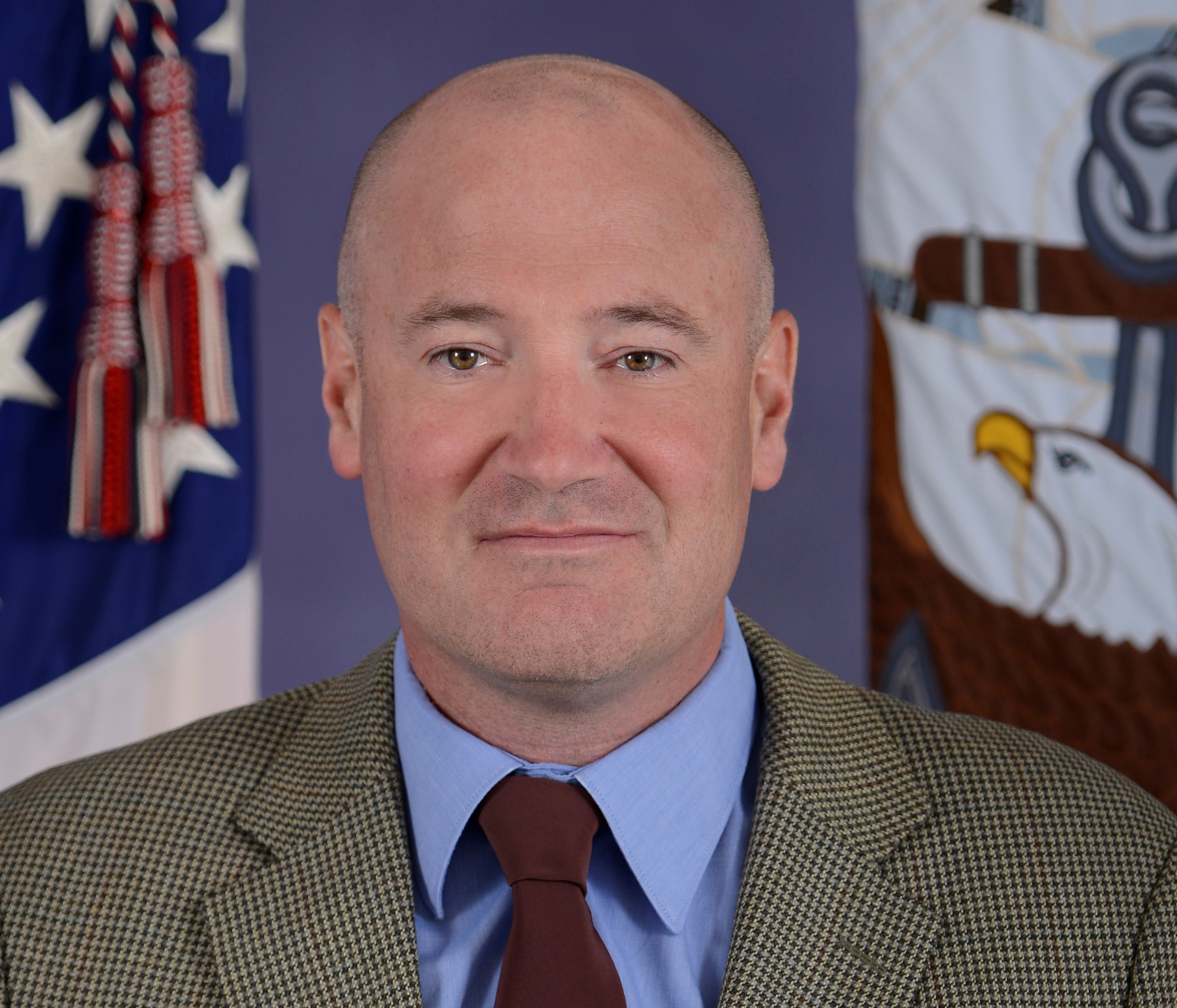 Andrew Marsh Hayes is a native of Onsted, Michigan. He received his Bachelor of Science from Western Michigan University in 1997, Masters of Art from Michigan State University in 2000, and Doctor of Audiology from Salus University in 2007. He is a graduate of the Command and Staff College through Marine Corps University. He is a board certified audiologist through the American Speech-Language-Hearing Association. As Audiology Department Head, Branch Medical Clinic, Marine Corps Air Station, Iwakuni, Japan from 2001-2004, he managed hearing conservation programs in mainland Japan and as a member of the Early Developmental Intervention Services team, provided clinical audiology services. As Department Head, Occupational Health and Preventive Medicine Division, Naval Hospital Jacksonville, from 2004-2007 he managed hearing conservation programs throughout Georgia and Florida while providing clinical audiology services.
After completed Flight School he was designated a Naval Aerospace and Operational Physiologist in 2008 and served as a Division Officer at the Aviation Survival Training Center, Naval Air Station Patuxent River, Maryland in 2009. As an Aerospace Medical Safety Officer for Marine Aircraft Group Two Nine, Marine Corps Air Station New River, North Carolina from 2009-2013, he provided aeromedical support for aircrew and aircraft maintainers.
As Director, Aviation Survival Training Center, Marine Corps Air Station Cherry Point, North Carolina from 2013-2016, he managed a staff of 25 military, civilian, and contract personnel. This assignment involved the acquisition of aircrew trainer systems in support of the Naval Aviation Training Systems and Ranges program office (PMA-205). As Resource Sponsor and Requirements Officer from 2016-2019 at the Pentagon, Marine Corps Headquarters, Department of Aviation, Washington, DC, he supported the Aircrew Systems program office (PMA-202) to help aircrew and aircraft maintainers optimize human performance with personal protection equipment. As Program Manager of the Naval Aviation Survival Training Program attached to the Naval Aviation Training Systems and Ranges program office (PMA-205) located at Naval Air Station Patuxent River, MD from 2019-2024 he acquired hypoxia, parachute descent, and water survival training devices for aircrew to respond to life-threatening scenarios.
He currently serves as Branch Head of Helmet Systems and Auditory Performance within the Naval Air Warfare Center - Aircraft Division, Human Systems Engineering Department. There he supervises 22 engineers, technicians, and summer internships working on projects to improve hearing protection and communication systems across the Naval Aviation Enterprise. Projects include active noise reduction, 3D scanning and printing custom hearing protection, and in-the-ear noise dosimetry.
He is a certified Acquisition Professional Member through the Assistant Secretary of the Navy (Research, Development & Acquisition), certified Project Management Professional through the Project Management Institute and maintains Advanced certification in Program Management through the Defense Acquisition Workforce Improvement Act. His personal awards include the Navy and Marine Corps Meritorious Service Medal (2), the Navy and Marine Corps Commendation Medal (4), and the Navy and Marine Corps Achievement Medal.
Financial Disclosures
Financial Relationships: None
Non-Financial Relationships: None
...
Implementation of Individualized Hearing Protector Fit Testing
Andy Merkley, AuD
Organization: Council for Accreditation in Occupational Hearing Conservation
Job Title: Immediate Past Chair
Properly fitted hearing protection is essential for preventing noise-induced hearing loss, yet laboratory-derived attenuation ratings often do not reflect the level of protection workers achieve in real-world conditions. This session will examine the purpose and value of individualized hearing protector fit testing (HPFT) as a means of verifying the protection each user actually receives. Participants will review current research demonstrating the variability in achieved attenuation among hearing protector users and the limitations of relying solely on manufacturer-assigned Noise Reduction Ratings (NRRs). The session will also introduce the HPFT training program developed by the Council for Accreditation in Occupational Hearing Conservation (CAOHC), highlighting the knowledge and practical skills technicians need to effectively conduct HPFT in occupational settings. The presentation will conclude with preliminary findings from ongoing research at The University of Texas at Dallas involving non-traditional noise-exposed populations. These findings demonstrate how even brief instruction on proper hearing protector fitting can significantly improve achieved attenuation while reducing variability between users, reinforcing the importance of education as a key component of effective hearing conservation programs.
- Learning Objective 1: By the end of this lesson, participants will be able to describe the research supporting individualized hearing protector fit testing and the limitations of relying solely on manufacturer-assigned Noise Reduction Ratings (NRRs).
- Learning Objective 2: By the end of this lesson, participants will be able to discuss the CAOHC Hearing Protector Fit Testing training program and implementing training into occupational hearing conservation programs.
- Learning Objective 3: By the end of this lesson, participants will be able to evaluate research findings demonstrating the impact of individualized fit testing and basic fitting instruction on hearing protector attenuation and worker protection.
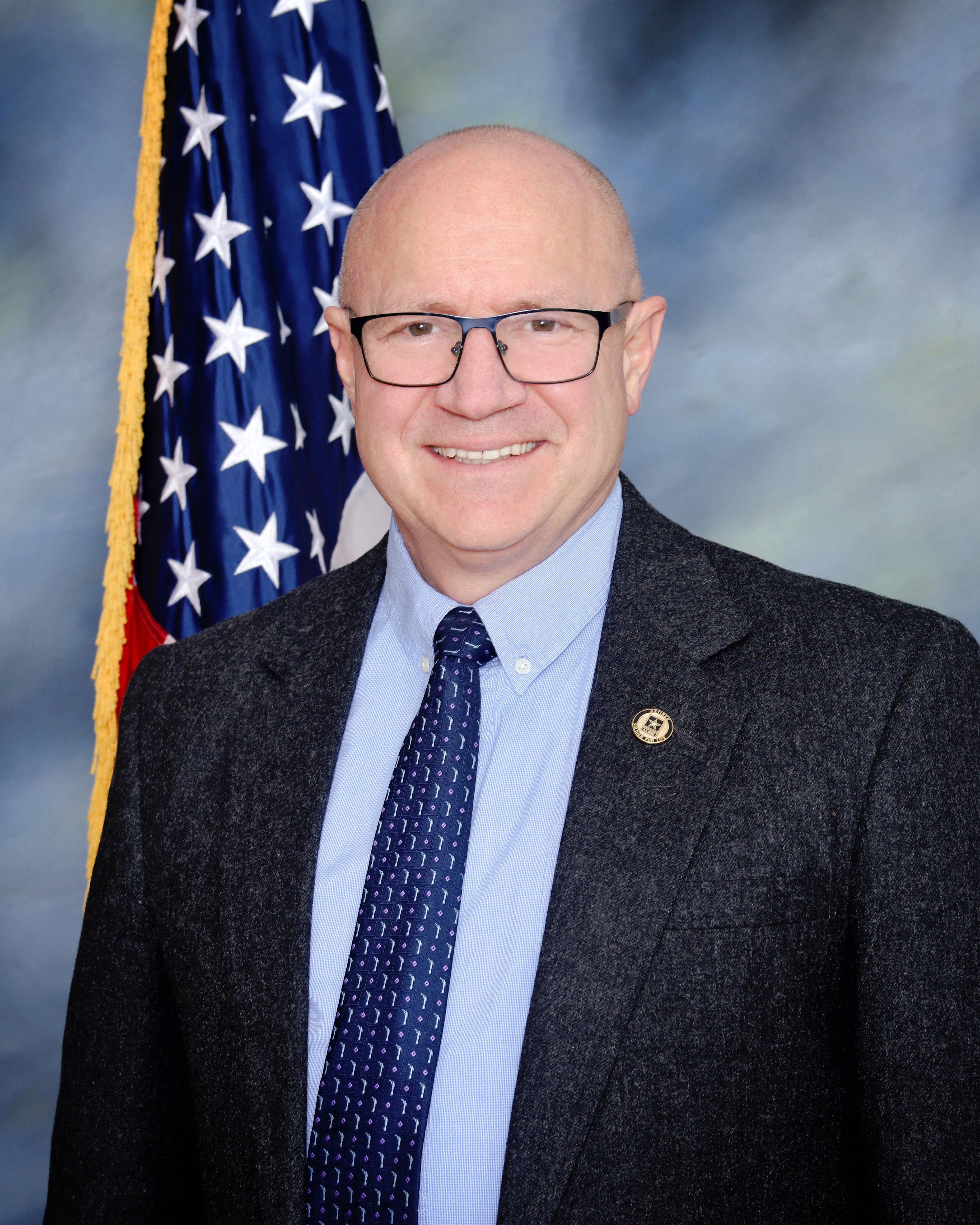 J. Andrew Merkley, AuD, CCC-A, CPS/A is an occupational audiologist with more than 28 years of experience in hearing conservation and military audiology. He serves as a Senior Program Manager for LAUKOA-zCore Business Solutions, supporting the Defense Health Agency Hearing Center of Excellence. A retired Army audiologist, he has served as an installation hearing conservation program manager, regional audiology consultant, Deputy Audiology Consultant to The Surgeon General, and deployed hospital audiologist in Baghdad, Iraq. Dr. Merkley is a past Chair and current instructor for the Council for Accreditation in Occupational Hearing Conservation (CAOHC), where he has taught more than 45 professional workshops. He is also President-Elect of the National Hearing Conservation Association (NHCA). His professional interests include occupational hearing conservation, hearing protector fit testing, boothless audiometry, and ototoxic exposures. He has presented extensively at national and international conferences and has received numerous professional honors, including the Military Audiology Association's Elizabeth Guild Award, the Doug Ohlin Founder's Award, and the Order of Military Medical Merit. J. Andrew Merkley, AuD, CCC-A, CPS/A is an occupational audiologist with more than 28 years of experience in hearing conservation and military audiology. He serves as a Senior Program Manager for LAUKOA-zCore Business Solutions, supporting the Defense Health Agency Hearing Center of Excellence. A retired Army audiologist, he has served as an installation hearing conservation program manager, regional audiology consultant, Deputy Audiology Consultant to The Surgeon General, and deployed hospital audiologist in Baghdad, Iraq. Dr. Merkley is a past Chair and current instructor for the Council for Accreditation in Occupational Hearing Conservation (CAOHC), where he has taught more than 45 professional workshops. He is also President-Elect of the National Hearing Conservation Association (NHCA). His professional interests include occupational hearing conservation, hearing protector fit testing, boothless audiometry, and ototoxic exposures. He has presented extensively at national and international conferences and has received numerous professional honors, including the Military Audiology Association's Elizabeth Guild Award, the Doug Ohlin Founder's Award, and the Order of Military Medical Merit.
Financial Disclosures
Financial Relationships: None
Non-Financial Relationships: Board Member COAHC and NHCA
...
Aurora Melendez
(Coming Soon)
Koevoets & Meester
(Coming Soon)
Conflict of Interest & Disclosure Statement
In accordance with Accreditation Council requirements, all planners, speakers, moderators, reviewers, and instructional personnel have disclosed relevant financial and non-financial relationships. Any identified conflicts of interest have been reviewed and mitigated prior to the educational activity. Disclosure information is provided within each session listing above.
|